

Welcome to Mortgage Lending Explained, my consumer education blog dedicated to bringing clarity to the mortgage process.
Mortgage Lending Explained is published on Substack at www.JSWhaldo.Substack.com and is also featured here on JSWhaldo.com. Wherever you choose to read, I encourage you to comment, ask questions, and subscribe.
The Mortgage Lending Explained newsletter is published with each new article and podcast episode. My monthly JSWhaldo newsletter focuses primarily on travel and lifestyle content, highlighting new projects and stories from across the site.
After more than 30 years in mortgage underwriting, I write these articles to help consumers understand how mortgage loans really work. My goal is to explain lending in plain English, separate fact from fiction, and provide insight into how mortgage underwriters evaluate loan applications.
Whether you're buying your first home, refinancing, exploring reverse mortgages, or simply curious about credit and lending, I hope you'll find useful information and practical answers here.
Written by J.S. Whaldo, a retired mortgage underwriter with more than three decades of industry experience.
Welcome, and enjoy exploring Mortgage Lending Explained.

Can Rental Income Help You Qualify for a Mortgage? What Borrowers Need to Know
This is one of those subjects where the more you dig into the mortgage guidelines, the more you realize there isn’t a simple one-size-fits-all answer. That’s why I’m going to make this a series instead of cramming everything into one article. We need to consider four major sets of guidelines: FHA, VA, Fannie Mae, and Freddie Mac. They have some similarities, but they don’t all treat rental income the same way. Also, keep in mind that guidelines change often. These rules have had numerous updates by the different agencies this year alone.

The Mortgage Payment Is Not the Cost of Owning a Home
Qualifying for a mortgage is different from being financially comfortable with the responsibilities that come with owning a home. A lender looks at your income, debts, credit, assets, and other factors to determine whether you meet the requirements for a loan. That approval does not mean the resulting payment will necessarily feel comfortable in your everyday life.
And your principal and interest payment is only one part of the cost of owning a home.
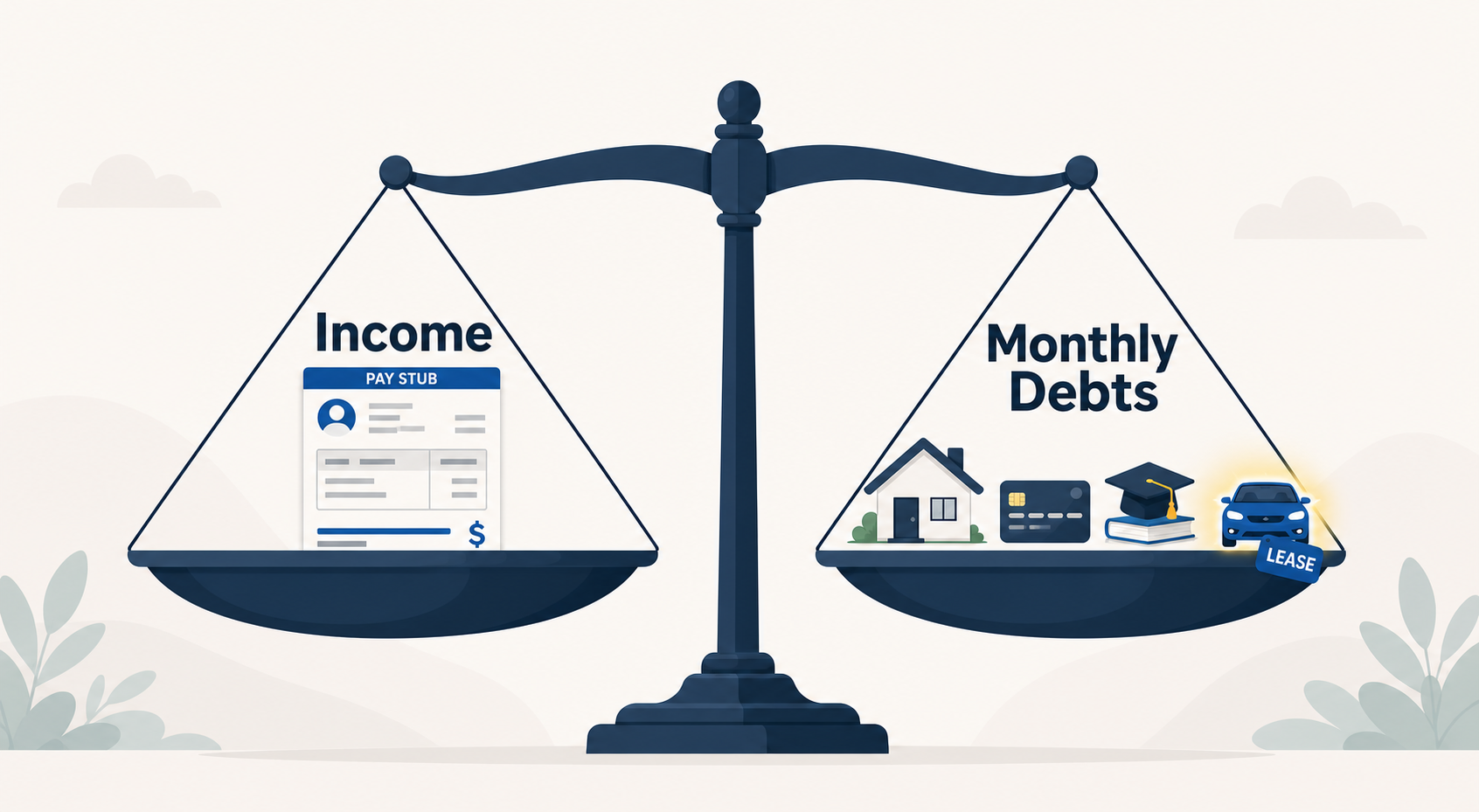
Does a Car Lease Affect Mortgage Approval?
Whether you’re applying for a Conventional, FHA, VA, USDA, or Freddie Mac loan, your lease payment is generally treated as a recurring monthly debt.
This is because, in the overwhelming majority of cases, when your lease expires, you probably aren’t going to start walking to work.
You’ll likely lease another vehicle, buy the one you’re driving, or finance a different car. In other words, the payment usually doesn’t disappear. It simply changes form.

Why Self-Employed Borrowers Should Separate Business and Personal Bank Accounts
A dedicated checking account paints a much clearer financial picture. Business income goes into one account. Business expenses come out of that account. Your personal account is reserved for your household finances. It’s easier for you, easier for your accountant, and much easier for the underwriter reviewing your loan.
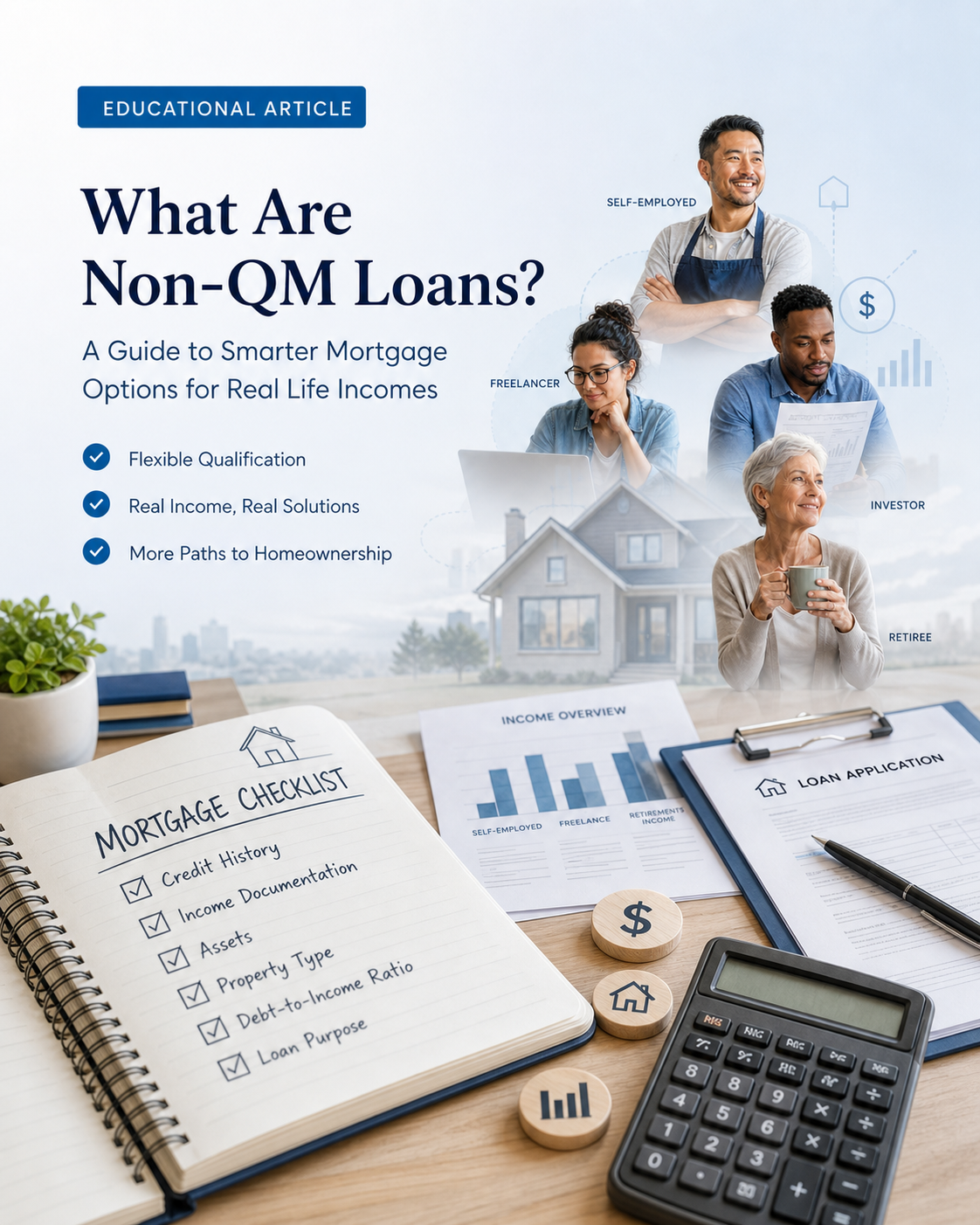
Alternative Mortgage Loans Explained
I’ve spent my career reviewing loan files, and one thing I’ve learned is that financial strength takes many forms. Some people receive paychecks every two weeks. Others own businesses. Some people build investment portfolios. Some spend decades accumulating retirement assets. Everybody’s story looks a little different.
As the workforce has changed, mortgage products have evolved to recognize those differences.

Your Credit Score Is No Longer a Snapshot
A newer scoring model, FICO 10T, is gradually making its way into the mortgage industry and represents one of the more significant changes to credit evaluation I have seen in my career. Unlike traditional scoring models that focus primarily on where a borrower’s credit stands today, FICO 10T looks at how that credit has behaved over time.

What I Learned About Reverse Mortgages as an Underwriter
I have watched reverse mortgages relieve enormous financial pressure for seniors living on fixed incomes. I have also watched adult children discover foreclosure notices taped to the front door of a family home they thought had already been “paid off.”
That is why reverse mortgages are so emotionally misunderstood.
They are neither the financial disaster critics often claim nor the magical retirement solution some advertisements promise. They are simply complicated financial tools that can work very well for some borrowers and very poorly for others.

Why Real Estate Transactions Are Not a DIY Project
From my side of the business, as an underwriter, I could usually tell pretty quickly when a transaction did not involve experienced representation. The files tended to be messier. Communication was slower. Deadlines were missed more often. Small problems grew into larger ones because nobody was truly coordinating the process.

When FHA and USDA Closed the Door on Non-Permanent Residents
Under prior FHA guidelines, legal work authorization, established credit, documented income history, and a proven ability to manage financial obligations were often enough to meet residency eligibility requirements. The new rules changed that standard.
The policy change extends beyond DACA recipients and is also not limited to undocumented borrowers. FHA and USDA restrictions now affect many non-permanent residents living and working in the United States under temporary or renewable immigration status, including DACA recipients and employment-based visa holders in skilled professional roles.
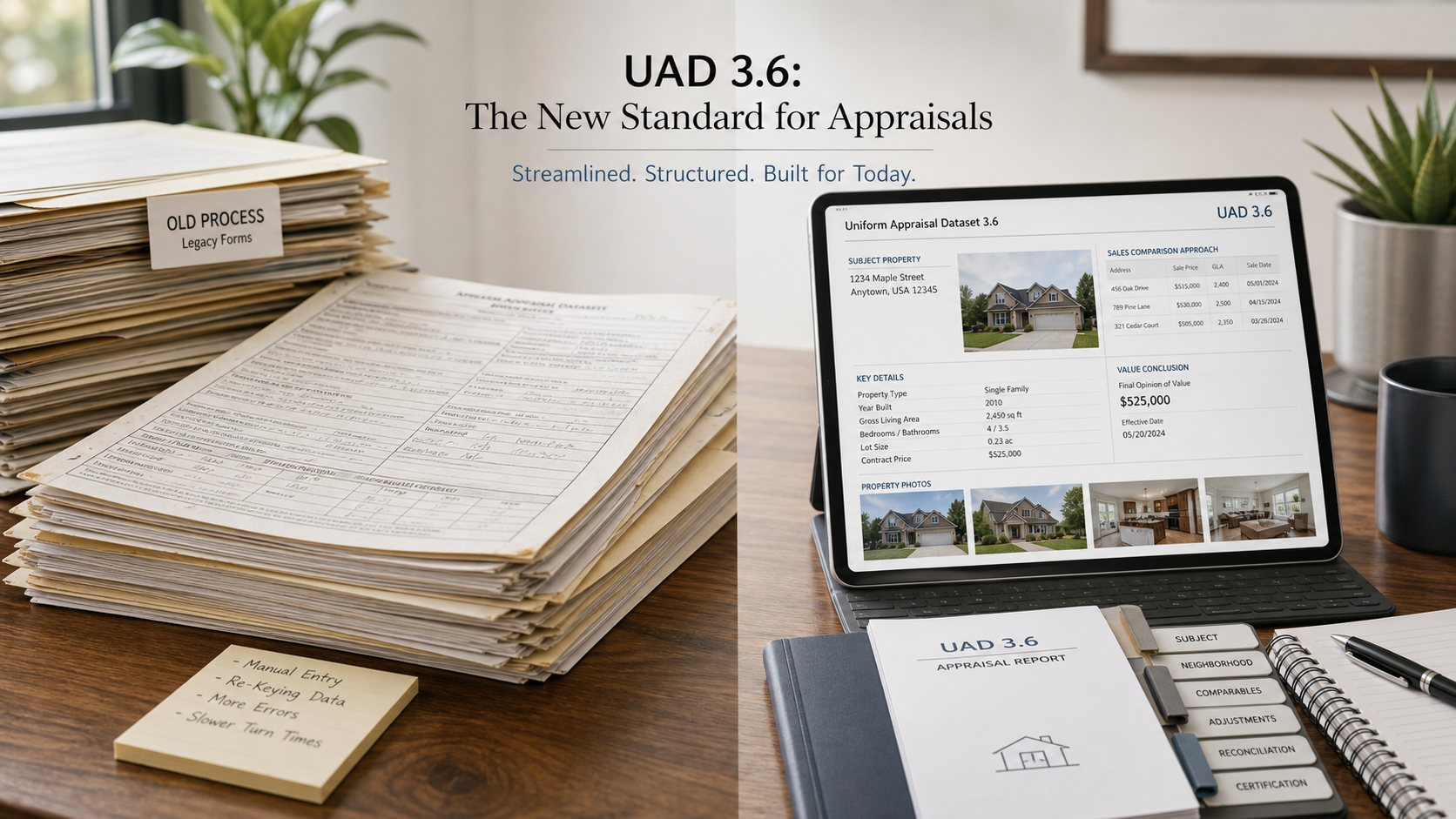
What the New Appraisal Changes Mean for Your Home Value and Loan Approval
One of the biggest shifts is the move toward structured data. Historically, much of the nuance in an appraisal resided in the addendum. That’s where the appraiser explained decisions, provided context, and sometimes clarified things that didn’t fit neatly into a box. In the new format, that kind of open-ended narrative is being pulled into the body of the report itself. Commentary is still there, but it’s tied directly to specific data points rather than sitting at the end as a separate explanation.

What Is a Home Appraisal and Why It Matters More Than You Think
This is where most people are surprised. The appraisal is not just a number at the bottom of the page. It’s a full story about the property and the market around it.
It starts with the basics. The subject property section identifies the home, ownership details, occupancy, and the type of transaction.

You Don’t Need a Credit Score to Buy a Home, But There’s a Catch
It’s important to understand that alternative credit cannot fix a low or poor credit score. If you have a traditional credit report and your score is low, these programs cannot replace it. Alternative credit is only for borrowers who truly do not have a credit score. If you have bad credit, the lender will still review your credit history, and your score and payment history will factor into their decision.
I also want to be clear that I am not talking about subprime lending. There are many types of loans in the mortgage world that are designed for a wide range of financial profiles. I am talking about traditional agency products like FHA, USDA, Fannie Mae, Freddie Mac, and VA.
1031 Exchanges Explained the Way Investors Actually Need to Hear It
A 1031 exchange is a tax rule under Section 1031 of the Internal Revenue Code. It is not a mortgage program.
It allows real estate investors to defer capital gains taxes and depreciation recapture taxes. Notice I didn’t say tax-free. These taxes are deferred, not forgiven.
At its simplest, a 1031 exchange is a swap. One investment property for another.
At its most complex, it allows you to sell one property and later acquire one or more replacement properties, as long as you follow the rules.

Using Passive Income to Qualify for a Mortgage
Passive income can come from a wide range of sources. Social Security, retirement distributions, investment income, royalties, and support payments all fall into this category.
Some of these do not feel passive at all. Social Security is a good example. It represents years of work and contributions. Regardless of how it is labeled, it is treated under the same set of rules as other non-employment income.

Understanding FHA Mortgage Insurance and How MIP Impacts Your Payments
Private Mortgage Insurance applies to conventional loans when the down payment is less than 20 percent. One advantage of PMI is that it can usually be removed once the borrower builds enough equity in the home.
Mortgage Insurance Premium works differently.
MIP is required on all FHA loans regardless of the down payment amount. Even a borrower putting down more than the minimum 3.5 percent will still have mortgage insurance as part of the loan structure.
FHA collects mortgage insurance in two ways. There is an upfront premium paid at closing, and an annual premium divided into monthly installments added to the mortgage payment.

Private Mortgage Insurance Explained for Homebuyers Putting Less Than 20 Percent Down
Private Mortgage Insurance, or PMI, allows buyers to qualify for a conventional mortgage with as little as 3 percent down. For many first-time buyers, this makes homeownership possible years sooner than saving for a 20 percent down payment.
Mortgage insurance is one of the most misunderstood parts of the home loan process. Many homebuyers hear the term during the mortgage application, but are not always sure what it does or why it exists.
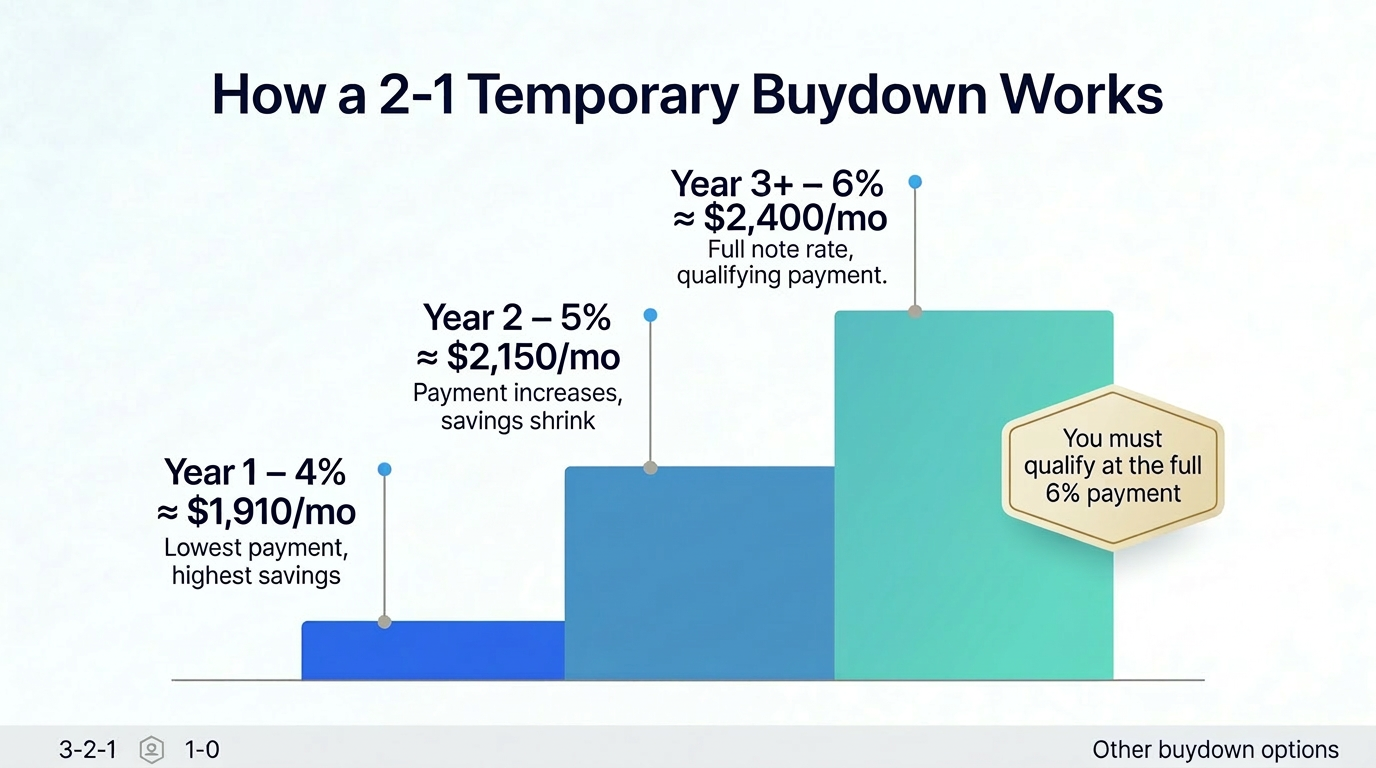
Understanding Temporary Buydowns in Today’s Housing Market
When interest rates climb, the housing industry gets creative.
Products that have quietly existed for decades suddenly show up in headlines, rate sheets, and builder advertisements. One of the loudest right now is the temporary buydown.
Before you assume it is a shortcut around qualification or a gimmick dressed up as affordability, let’s walk through what it actually is and how it really works.

Assumable Mortgage Explained for Today’s Housing Market
What Buyers and Sellers Need to Know About FHA, VA, and USDA Loan Assumptions
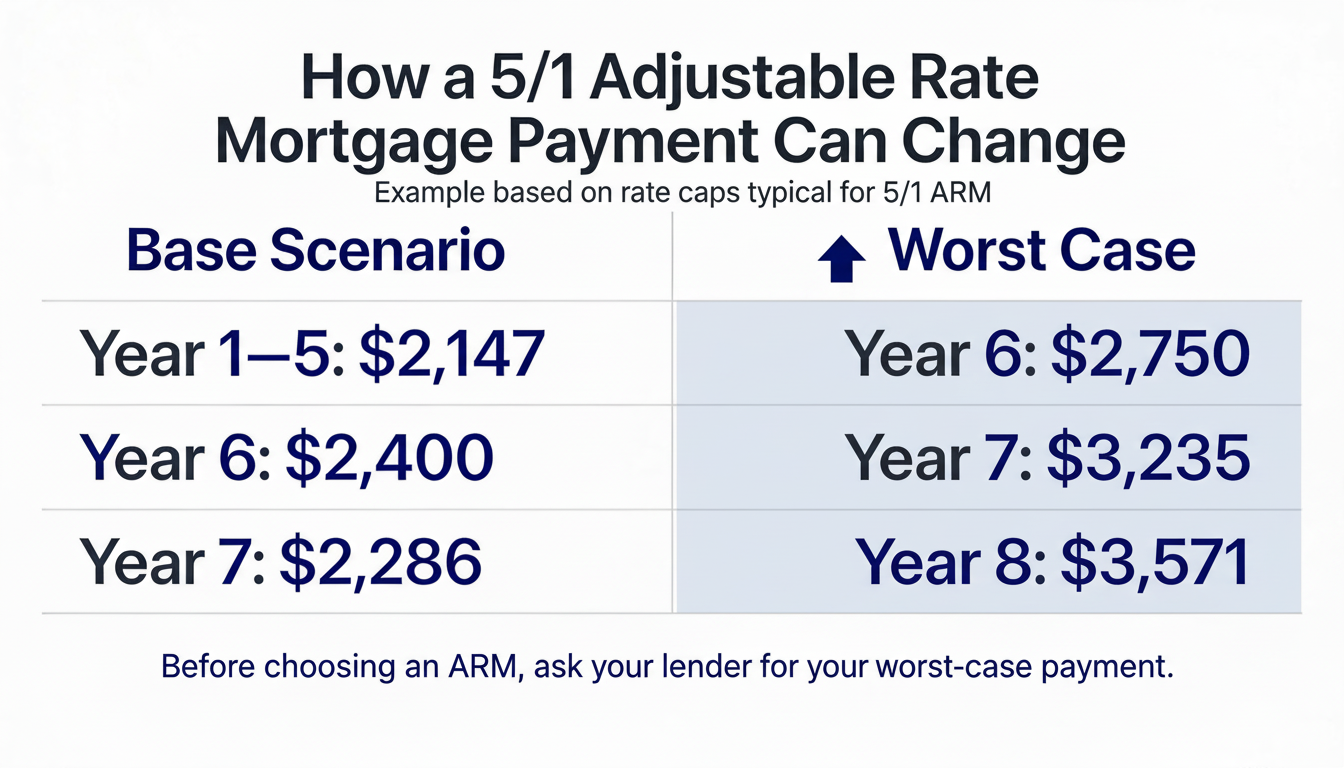
Adjustable Rate Mortgage Explained With Real Payment Examples
What Buyers and Sellers Need to Know About FHA, VA, and USDA Loan Assumptions

Gift Funds for Conventional and VA Loans
The simple, stress-free way to use gift money for a home purchase.