

Show Lenders You’re Responsible and Buy a Home Without a Score
What If You Don’t Have a Credit Score
Most people think a credit score is required to get a mortgage. No score, no home loan. That’s the assumption.
It’s not entirely true.
I’ve worked with borrowers who don’t use credit at all. No credit cards, no loans, just cash and consistent bill payments. They’re financially responsible and manage their money well.
And yes, they can still qualify for a mortgage.
Some people prefer to live this way and choose not to use credit cards or traditional loans. That is a personal choice, and it does not mean they can’t buy a home using a traditional mortgage.
The tricky part is that not every lender offers these loans because they carry more risk. That means the loan must be reviewed by a certified underwriter who is experienced with nontraditional credit. These loans are not handed out lightly, and not every bank or lender wants to take on that level of review.
It’s important to understand that alternative credit cannot fix a low or poor credit score. If you have a traditional credit report and your score is low, these programs cannot replace it. Alternative credit is only for borrowers who truly do not have a credit score. If you have bad credit, the lender will still review your credit history, and your score and payment history will factor into their decision.
I also want to be clear that I am not talking about subprime lending. There are many types of loans in the mortgage world that are designed for a wide range of financial profiles. I am talking about traditional agency products like FHA, USDA, Fannie Mae, Freddie Mac, and VA.
If you are exploring this path, working with a mortgage broker can save time. Brokers know which lenders are willing to take on loans for borrowers without traditional credit. They can match your situation with the right product and make the process smoother.
FHA Loans and Alternative Credit
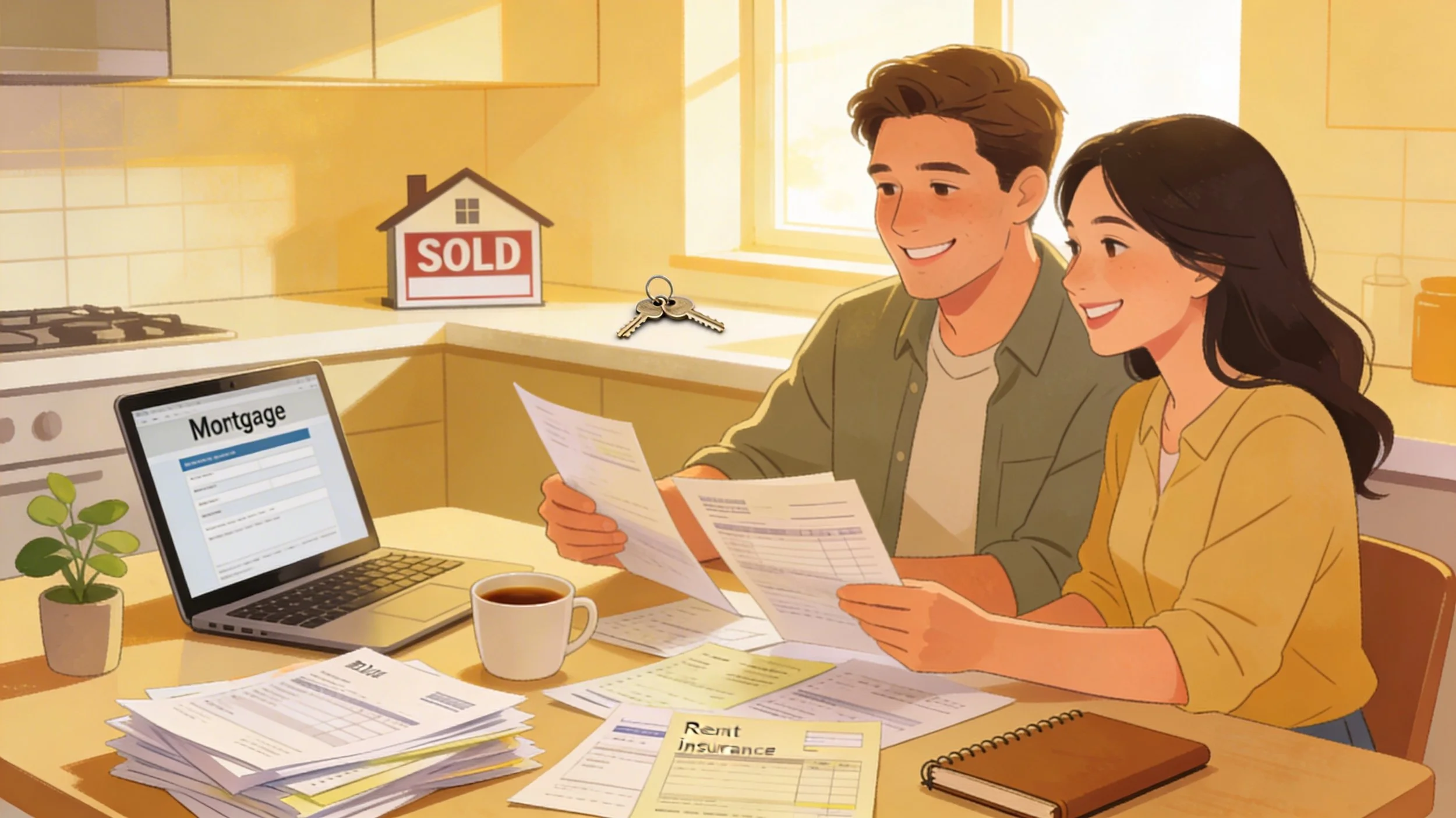
FHA loans are a good place to start if you have no credit score. FHA loans were created with the first-time homebuyer in mind. Lenders can use a Non-Traditional Mortgage Credit Report (NTMCR) to document your creditworthiness. This report examines payments that are typically invisible to credit bureaus, such as rent, utilities, insurance premiums, child care, and school tuition.
To qualify, the loan typically needs three references. One should show housing payments, such as rent. The other two can be recurring payments, such as utilities, phone service, or insurance. The certified underwriter will review these payments over the last 12 months to make sure they were made consistently.
Documentation can include canceled checks, bank statements, or verification directly from the creditor.
If you don’t have enough traditional references, FHA allows other forms of recurring payments to fill the gap. This could include medical bills, car leases, rent-to-own agreements, or documented savings deposits. For FHA loans, a co-signer can sometimes help if your alternative credit history needs support.
Mortgage Lending Explained is a reader-supported publication. To receive new posts and support my work, consider becoming a free or paid subscriber.
USDA Loans for Rural Buyers With No Credit Score
The United States Department of Agriculture mortgage program also allows for alternative credit. This loan program was created with rural communities in mind, and it works very similarly to FHA when it comes to credit.
USDA will consider rental history, utility payments, and insurance payments. There are other options if those are not available, but these are the strongest indicators. Lenders focus on your ability to repay, and a clean 12-month payment history goes a long way.
USDA loans also require that the home be located in an eligible rural area and that household income be within 115 percent of the area's median income.
Fannie Mae and Freddie Mac Using Alternative Credit
Fannie Mae and Freddie Mac also allow nontraditional credit, including through their HomeReady and HomePossible programs. These loans are generally for one-unit primary residences. If you don’t have a credit score, the loan will usually be manually underwritten by a certified underwriter who reviews your full payment history.
Nontraditional credit references are similar to FHA and can include rent, utilities, insurance, tuition, child care, or documented savings deposits. You will need at least two consistent payment references over the past 12 months, and having a housing history is a big advantage.
If one borrower has a credit score and the other does not, things can get a little more nuanced. If the borrower with the credit score carries the majority of the qualifying income, the loan may move forward without building an alternative credit profile for the other borrower. If the borrower without a score contributes a larger share of income, a nontraditional credit history will usually need to be documented.
Debt-to-income ratios are typically capped at around 36 percent. The underwriter carefully reviews all payment histories. Even small late payments or inconsistencies in your alternative credit can impact the final decision.
VA Loans Looking Beyond the Credit Score
VA loans take a slightly different approach. Even without a traditional credit score, VA lenders look at your full financial picture. The focus is on your payment history and your ability to manage your obligations.
Alternative tradelines, such as rent, utilities, insurance, or phone bills, can help demonstrate consistency. The stronger and more complete your payment history is, the easier it is to show the lender that you are a reliable borrower.
What Lenders Want to See Without a Credit Score
Keep clear records of all monthly payments, including rent, utilities, and insurance. Canceled checks, money orders, or bank statements that show consistent payments work best.
Maintain at least a 12-month history whenever possible. Underwriters want to see patterns over time, not just a few good months.
Use a mix of payment types. Rent, utilities, and a phone bill together paint a stronger picture than just one account.
Avoid late payments. Even one late housing payment can create challenges.
What This Means for You
Getting a mortgage without a credit score is not only possible, it happens more often than people realize. It just takes the right documentation and the right lender.
If you can show that you consistently pay your rent, utilities, insurance, and other obligations on time, you are already demonstrating the habits lenders are looking for.
This is not about having a perfect profile. It is about consistency over time.
And consistency is something you can control.
