

Why Self-Employed Borrowers Should Separate Business and Personal Bank Accounts
The banking habit that could strengthen your mortgage application.
If you’ve been following Mortgage Lending Explained for a while, you’ve probably heard me mention this before. I’ve touched on it in several articles because it comes up over and over again in mortgage underwriting.
Today, I want to take a deeper dive into one simple habit that can make a big difference if you’re self-employed or own a small business.
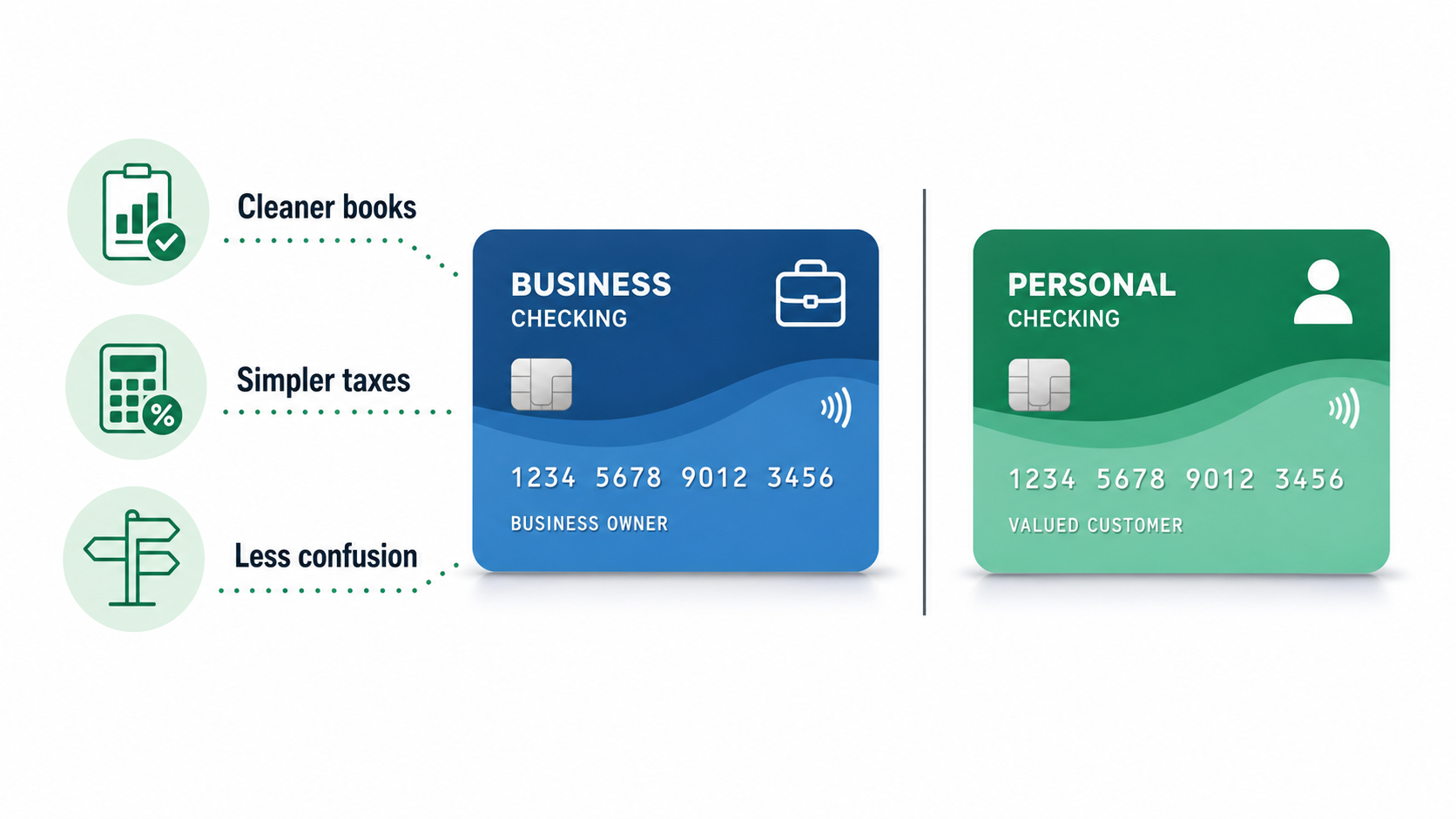
Keep your business and personal finances separate.
It sounds like basic bookkeeping advice, but it can have a real impact on your mortgage application.
Underwriters Need a Clear Financial Picture
Over my 30-plus years as a mortgage underwriter, I reviewed countless loan files where every dollar flowed through one personal checking account. Business income. Client payments. Household bills. Groceries. Business expenses. Vacations. Everything.
From an underwriting standpoint, that creates unnecessary work.
Our job is to determine what income is available to qualify you for a mortgage. When business and personal transactions are mixed together, it takes much longer to identify deposits, verify income, and determine which expenses belong to the business versus your household.
That usually means more documentation.
More questions.
More conditions.
Sometimes it even delays your closing.
The cleaner your financial records are, the smoother your mortgage process is likely to be.
Mortgage Lending Explained is a reader-supported publication. To receive new posts and support my work, consider becoming a free or paid subscriber.
How Separate Bank Accounts Make Mortgage Underwriting Easier
A dedicated checking account paints a much clearer financial picture. Business income goes into one account. Business expenses come out of that account. Your personal account is reserved for your household finances. It’s easier for you, easier for your accountant, and much easier for the underwriter reviewing your loan.
How Business-Paid Debts Can Affect Your Debt-to-Income Ratio
There is another reason this matters that many borrowers don’t discover until they’re already in underwriting.
Some self-employed borrowers have debts, such as an auto loan, that are paid entirely by the business. Under many mortgage guidelines, those monthly payments may be excluded from your personal debt-to-income ratio, but only if you can document that the business has been making the payments for at least the past 12 months.
Think about that for a minute.
If the payments are coming from your personal checking account, there is no clear paper trail showing that the business is paying the debt. As far as the documentation is concerned, it appears you are making the payment personally. Without the required evidence, the lender may have to include that monthly payment in your debt-to-income ratio, which could reduce the amount you qualify to borrow.
A separate business account creates the documentation lenders are looking for. It provides a clean history showing exactly where the payments originated and can help avoid unnecessary questions during underwriting.
Simple Steps to Prepare for a Mortgage Before You Apply
If buying a home is even a possibility in the next year or two, now is the perfect time to get organized. Open a dedicated business checking account if you don’t already have one. Deposit your business income there. Pay your business expenses from there. Transfer your owner’s draw or paycheck into your personal account and use that account for your everyday household expenses.
It’s one of the simplest financial habits you can adopt, and it pays dividends well beyond mortgage financing.
As I’ve said before, underwriting isn’t about making things difficult. It’s about documenting the story your finances tell. When your business and personal finances each have their own story, that story is much easier to understand.
Have a question about self-employment, underwriting, or qualifying for a mortgage? Leave it in the comments. If you’re wondering about it, chances are someone else is too.
